

English
English français Deutsch ελληνικά magyar Gaeilge italiano português español svenska български suomi latviešu lietuviu Malti polski română slovenčina slovenščina hrvatski čeština dansk Nederlands eesti
General information
Battery Category: Portable Battery
Product Name: Rechargeable Li-ion Battery
Model: C1060A1
IEC Designation: 2INR19/66
Nominal Voltage: 7.2Vdc
Rated Capacity: 2450mAh
Nominal Energy: 17.64Wh
Batch Number: C1060A126B
Date of Manufacture: 2026-07
Weight: Approx. 100g
Chemical System: Li-ion NMC
Hazardous Substances Contained (other than Pb,Cd and Hg): None
Usable Extinguishing Agent: Water-based fire extinguisher,Carbon Dioxide fire extinguisher or ABC dry powder fire extinguisher.
Critical Raw Materials Contained (weight ratio>0.1%): Nickel ,Cobalt ,Manganese ,Lithium ,Natural Graphite,Copper ,Phosphorus.
Manufacturer Name: Guangdong Pow-Tech New Power Co., Ltd.
Manufacturer Address: No.9, Hengdong 3Rd, Hengkeng Shiling Industry Zone, Liaobu Town, Dongguan, Guangdong, P.R. China
Manufacturer Contact Point: Website:www.szpowtech.com.cn / E-mail:pt@szpowtech.com.cn
Place of Manufacture: Same as manufacturer
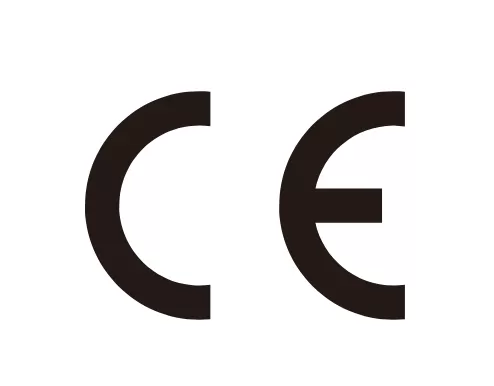
Compliance Marking

EU declaration of conformity
View the documentation
Information on prevention and management of waste batteries

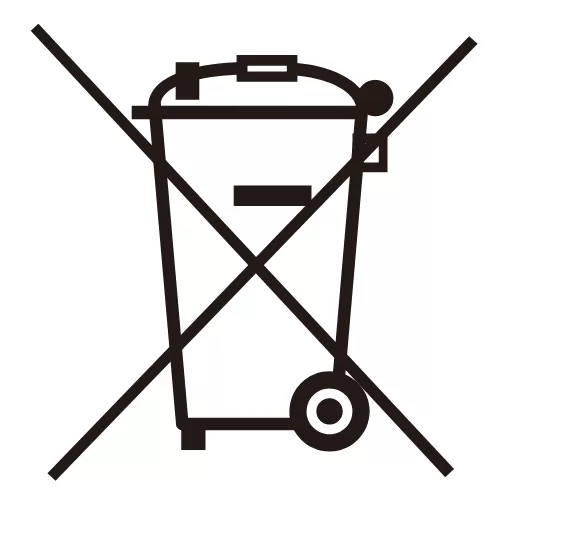
This symbol means batteries shall be separately collected and shall not be disposed of with household waste. Batteries with an increased pollutant content are also marked with the following symbols: Cd = cadmium, Hg = mercury, Pb = lead.

End-users are legally obliged to discard waste batteries in designated separate collection points, and separately from other waste streams, including mixed municipal waste. Batteries and accumulators can be handed in free of charge at collection points in your municipality/district or in shops so that they can be disposed of in an environmentally friendly manner and valuable raw materials can be recovered. Improper disposal can result in toxic substances being released into the environment, which can have harmful effects on people, animals and plants. Batteries and accumulators contained in electrical devices must be disposed of separately from them if possible. Dispose of batteries and accumulators only when they are discharged. Whenever possible, use rechargeable batteries instead of disposable batteries. Before disposing of batteries and accumulators containing lithium, tape off the poles to prevent an external short circuit. A short circuit can result in a fire or explosion.